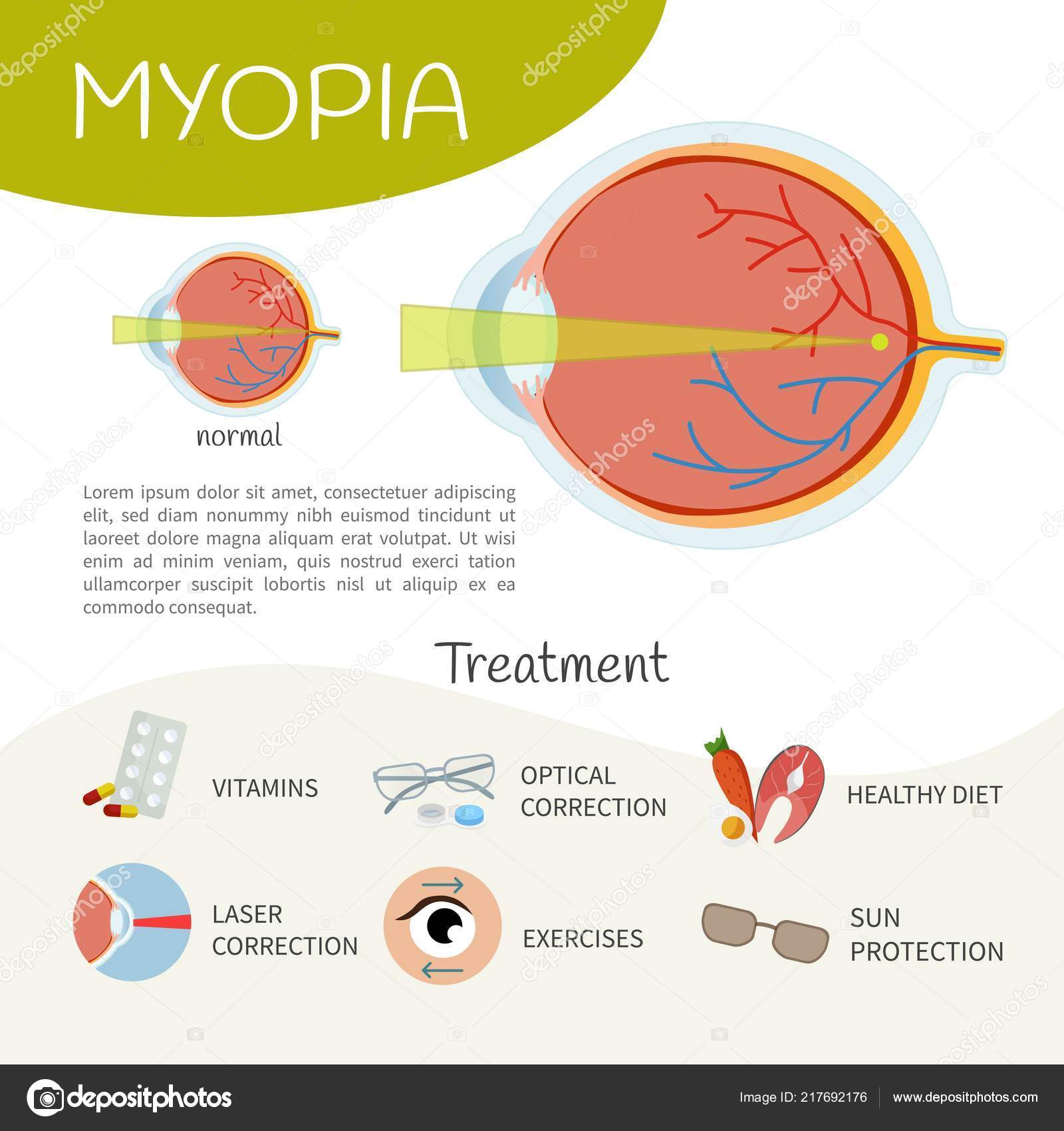
In today's world, corrective vision procedures has advanced remarkably, offering numerous alternatives for those wanting clear vision bypassing the need for the inconvenience of spectacles or contact lenses. One of the most exciting advancements in this field is the Implantable Collamer Lens (EVO ICL). This revolutionary surgical method provides an option for patients who may not be suitable candidates for laser corrective surgery or who prefer a reversible option. Understanding the EVO ICL process procedure, its advantages, and associated risks can allow you to make informed decisions about your ocular health.
As you explore your choices for correcting your vision, you might weigh the advantages and disadvantages of various methods. The EVO ICL stands out prominently for its unique approach, catering to a wide range of sight-related conditions, including extreme nearsightedness and astigmatism. In this comprehensive guide, we will dive into the intricacies of the EVO ICL procedure, explaining what to anticipate leading up to, throughout and post surgery, as well as its healing timeline. Whether you are contemplating your first meeting or are deep into your investigation, this resource aims to equip you with the insight you need to see the world sharply once again.
Implantable Collamer Lens Procedure Introduction
The EVO ICL process begins with a comprehensive pre-operative evaluation, where an optometrist reviews the patient's vision and general eye health. This step is crucial in determining if the individual is a suitable candidate for the EVO ICL. Data of the eye's form, dimension, and refractive error are taken to ensure the appropriate lens is selected. Patients are also educated about the procedure, potential risks, and expected outcomes, allowing for informed decision-making.
On the day of the surgery, the patient is typically administered a mild sedative to help them calm down. The process is performed in an outpatient environment and usually takes around 30 minutes per eye. The surgeon starts by creating a small incision in the cornea, which allows the EVO ICL to be placed through this opening and positioned behind the colored part of the eye. The process is often without pain due to the use of anesthetic eye drops and does not require sutures, as the incision is self-sealing.
Following the operation, patients are monitored for a short period to ensure everything functioning correctly before they are sent home. Long Beach ICL For Severe Myopia notice an instant improvement in their sight, while best results typically are noticeable within a short period. A detailed post-operative care plan, including subsequent visits, is essential for monitoring recovery and ensuring the effectiveness of the Implantable Collamer Lens process.
Financial and Financial Factors
When considering EVO ICL operation, it is crucial to recognize the associated prices. The cost of the procedure can vary considerably according to parameters such as the surgeon’s expertise, the equipment used, and the regional area of the facility. Typically, the cost varies between three thousand to 5 dollars per ocular structure. It is important to inquire about what is covered in the quoted price, as some clinics offer deals that cover pre-surgical evaluations, the operation itself, and aftercare care, while others may charge separately for these services.
A lot of patients ask if EVO ICL is included by health plans. Unfortunately, most insurance plans categorize it as an non-essential operation, which means they do not finance the fees associated with the operation. However, some facilities provide financing plans to help make the procedure more affordable. These can include monthly installment plans or medical loans that can reduce the financial burden and allow patients to undergo the operation without a substantial advance cost.
Apart from the initial monetary investment, it is crucial to evaluate the enduring value of EVO ICL in relation to other vision correction methods like LASIK. Patients should consider not only the potential for enhanced vision but also the durability of the outcomes and any upcoming corrective procedures they might need. For many people, the adaptability and reversibility of the EVO ICL surgery turns it into a sound investment, especially for those with specific vision problems such as extreme myopia or astigmatism that may not be ideal for LASIK.
Recovery Timeline and Expectations
After having EVO ICL operation, patients can expect a fairly swift healing process. Most individuals notice an advancement in their vision within the initial few hours post-surgery, although complete sight stabilization can take a number of days to several weeks. It is common to experience mild discomfort, light sensitivity, or hazy vision during the initial recovery phase, but these symptoms usually resolve themselves as the eyes heal.
During the initial 24 to 48 hours, it is vital for patients to rest their eyes and refrain from demanding activities. Your doctor will generally advise using prescribed eye drops to aid in healing and to avert infection. Many patients can return to work and regular activities within just a handful of days, but it is crucial to follow specific post-operative care directions to ensure the optimal results.
As the recovery continues, most individuals see significant improvements in their visual sharpness, often achieving levels of vision that lessen or eliminate the need for glasses or contact lenses. Follow-up visits will be scheduled to watch the healing process, assess vision improvements, and address any issues. Overall, the expectation for recovery after EVO ICL operation is positive, with most patients sharing satisfaction with their vision results soon after the operation.
Possible Side Effects and Reviews
EVO ICL surgery, as with any medical surgery, involves potential side effects that patients should be aware of. Often noted side effects include short-term visual disturbances such as halos, light glare, and sensitivity to light, particularly during the initial recovery phase. These symptoms often decrease as the vision heal, but it is important to talk about any persistent discomfort with your surgeon to ensure proper management.
Testimonials of the EVO Implantable Collamer Lens procedure tend to show the clarity and sharpness of sight experienced post-surgery. Many patients report significant enhancements in their daily activities, with a great level of contentment regarding their overall results. However, some individuals have shared experiences of challenges adjusting to the implanted lens, which can be a issue for those thinking about the surgery. Researching reviews from various sources can provide a comprehensive perspective on the potential results.
In conclusion, the decision to proceed with EVO-ICL surgery should consider both the benefits and the potential side effects. Engaging in discussions with medical professionals and reviewing thorough patient reviews can help prospective individuals create a clearer picture of what to anticipate. As with https://notes.io/ecfQK , individual circumstances will greatly influence both the dangers and rewards associated with the EVO-ICL experience.